There are 3 parts to the exposure triangle, Aperture, Shutter Speed, and ISO
Aperture, This is how much light the camera takes in, a large aperture (f/1.8) will let in a lot of light, while a small aperture (f/40) will let in very little light. Aperture will also change the depth of field, a large aperture will have a shallow depth of field with little in focus, a small aperture will have a large depth of field, with a lot in focus.
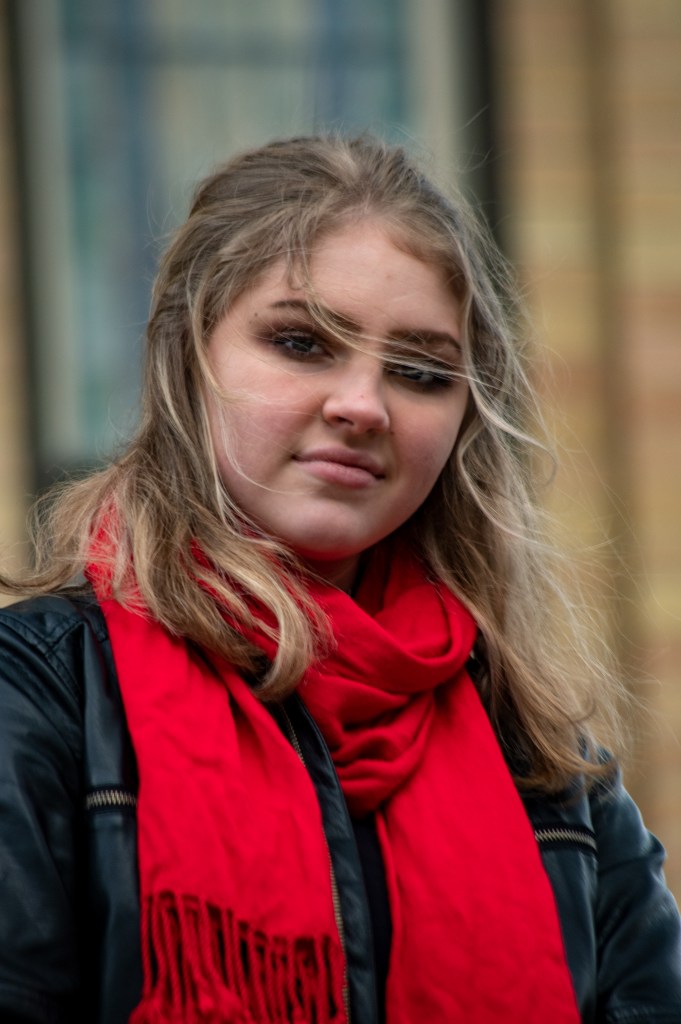
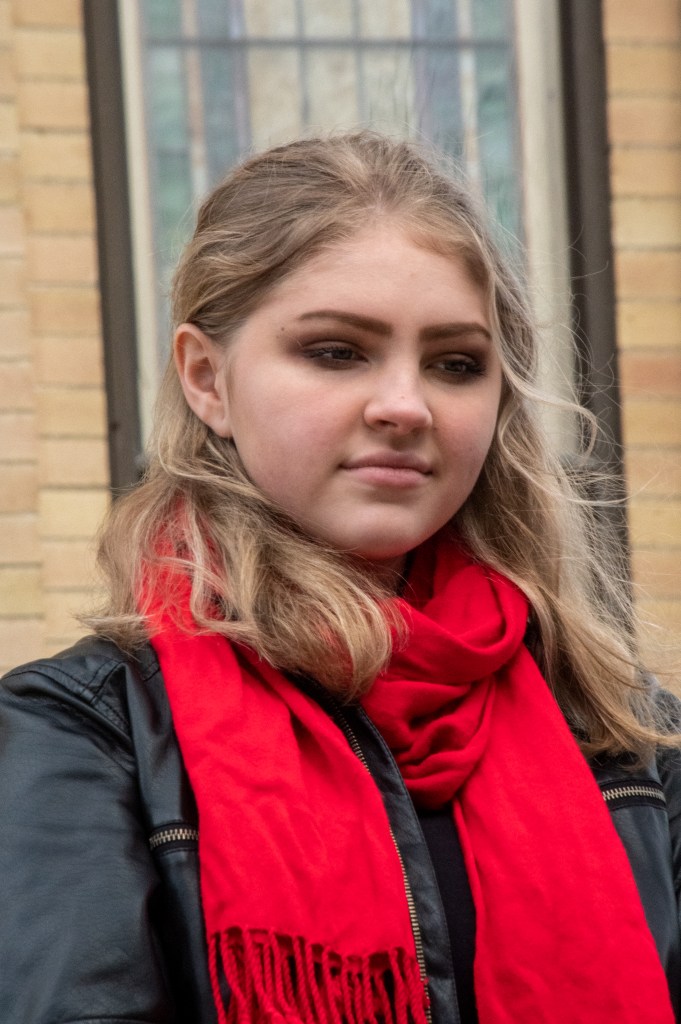
In the examples below, the first image has a large aperture at f/5.6, you can see the background is out of focus. The second photo has a small aperture at f/25, you can see the background is much less blurry.
Shutter Speed, this is how long your camera will receive light, the more light the camera takes in, the brighter the photo will be, but movement will show up in the photo. You might think that’s fine as long as you stay still, but you want to shoot fast if possible to avoid getting camera shake.
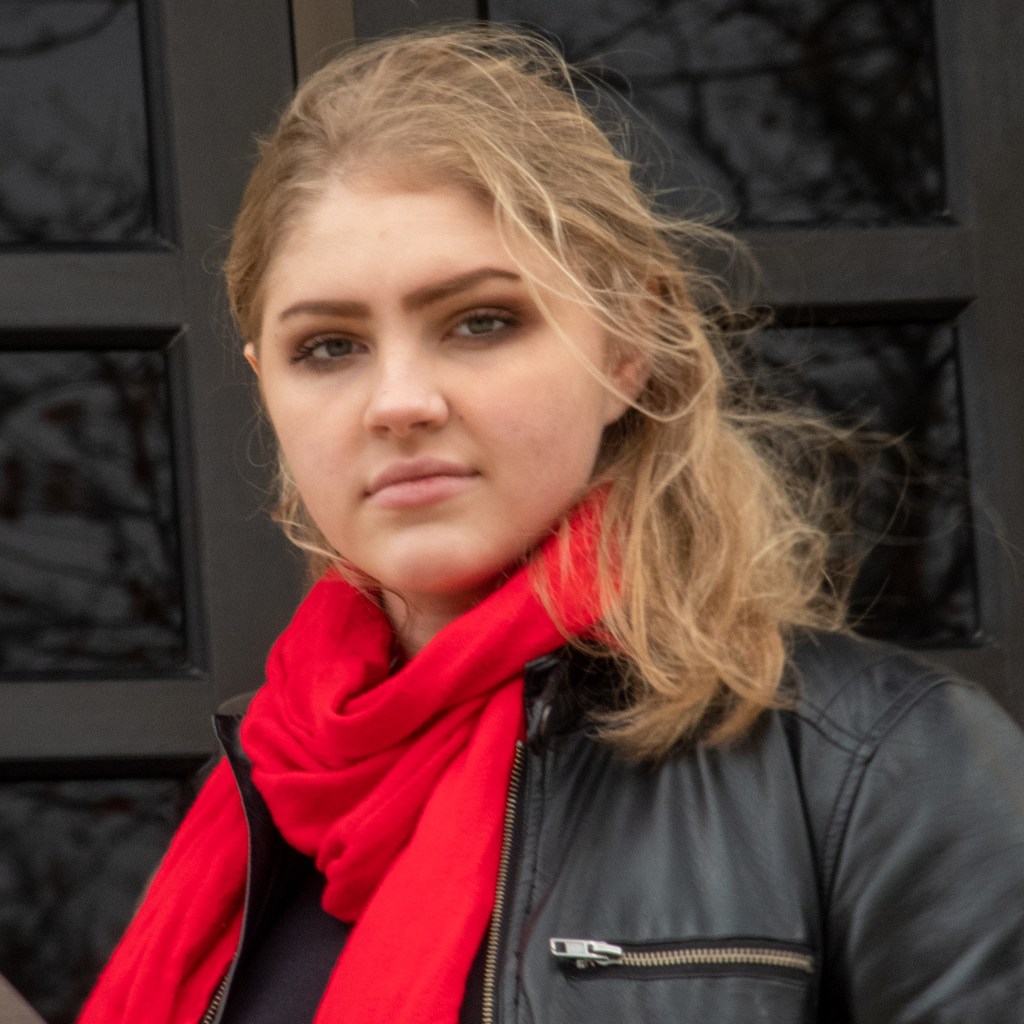
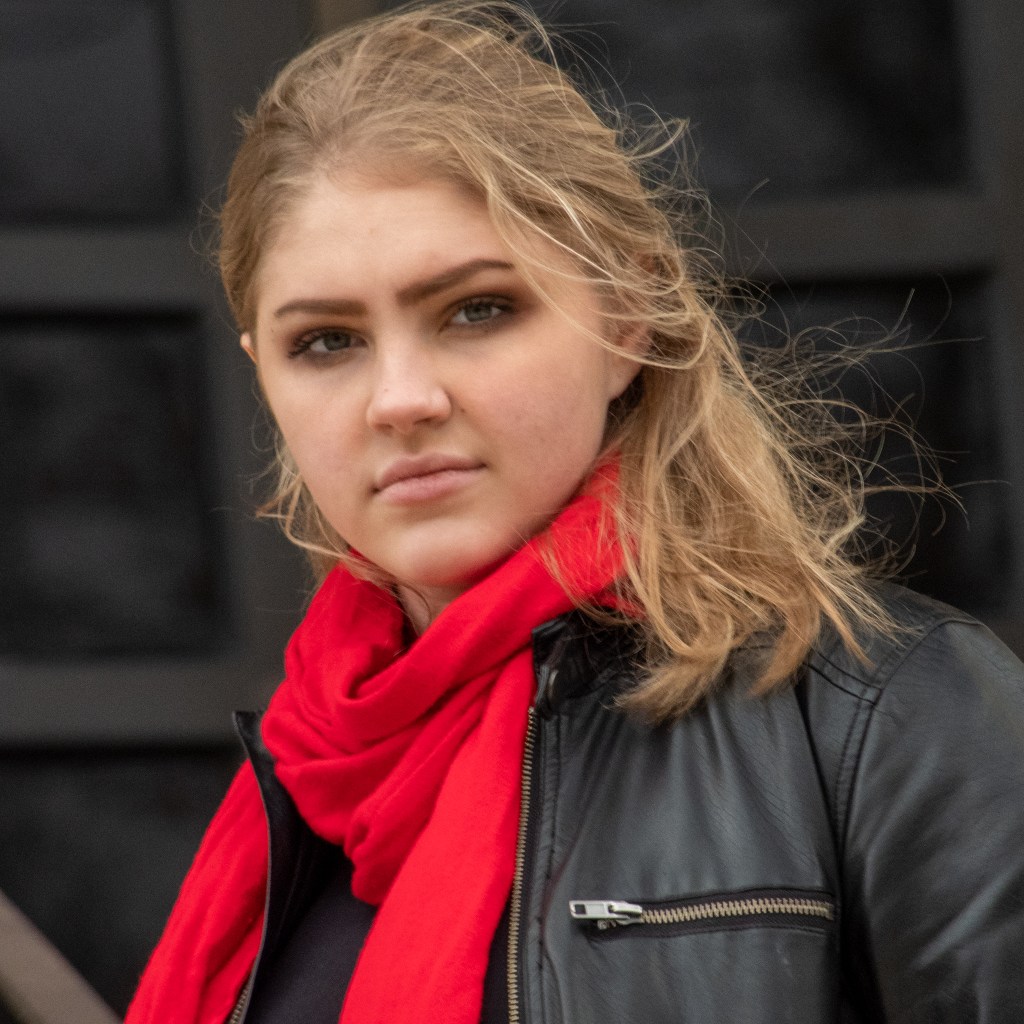
In the example below, the first camera was shot at a relatively slow shutter speed (1/80 on 300 mm) and sharpness was lost because the camera itself was moving slightly while I was taking the photo. The second photo was taken with a fast shutter speed (1/640) and it is sharper because the camera shake didn’t affect the photo as much.
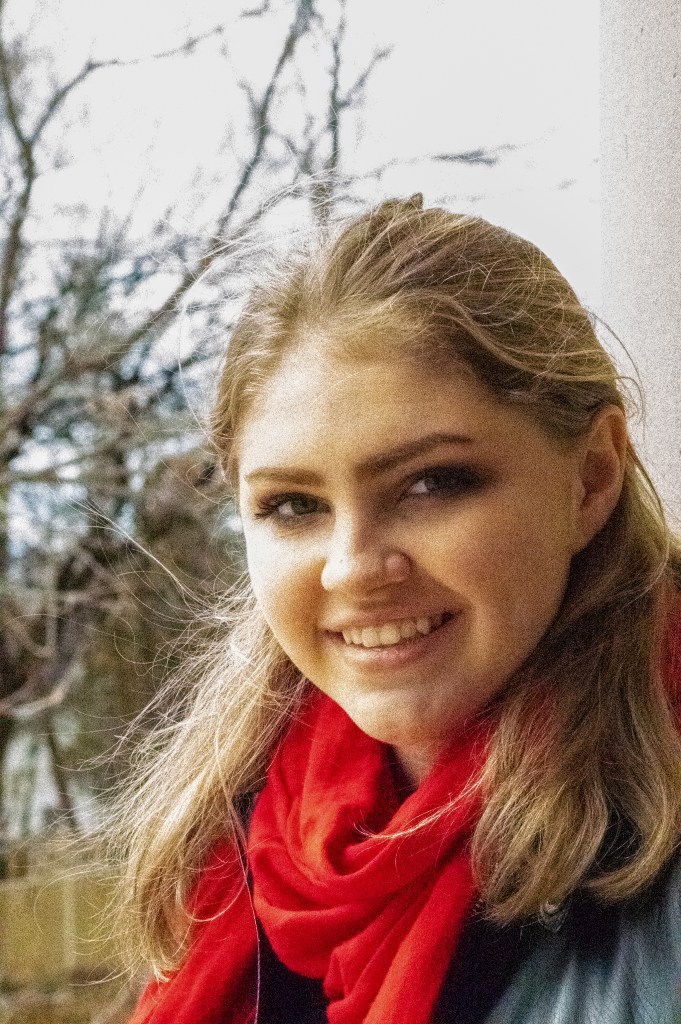
The last part of the exposure triangle is ISO, ISO is how sensitive your camera is to light, so with less light you can get brighter photos at the expense of image quality, because a high ISO will add grain to your photo.
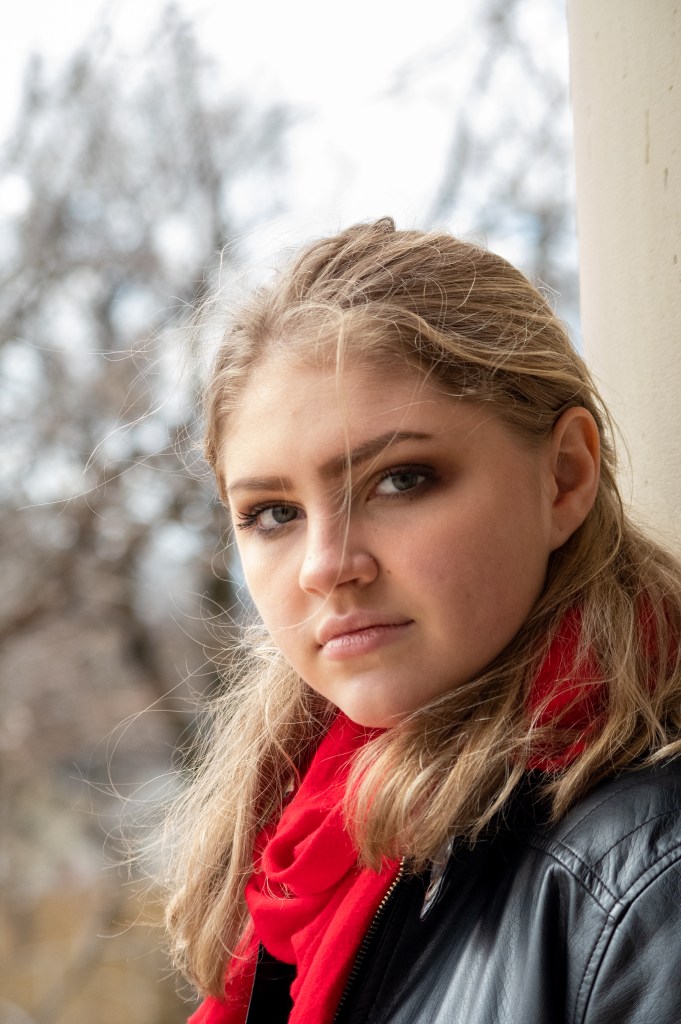
In the example below the first photo was taken with a medium ISO (3200) and the second photo was taken with a VERY high ISO (205,000). I used such a high ISO because I wanted the grain to be very obvious
 Matt Chamberlain - Utah Photographer